The Diagnostic Method
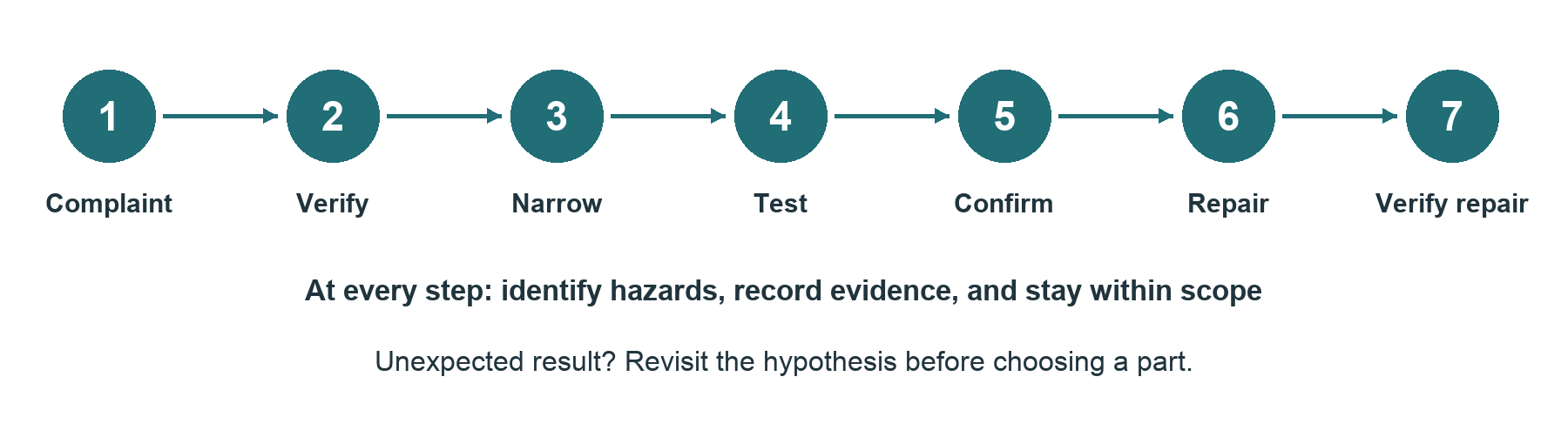
The seven-step sequence on a page: complaint, verify, narrow, test, confirm, repair, verify the repair. Plus the differential-diagnosis and confirmation-bias checks that stop a wrong part order.
Six reference volumes for washers, dryers, refrigeration, dishwashers and cooking, plus five field guides. From the customer’s complaint to a confirmed cause, before you order a part.
“Won’t spin.” “Isn’t heating.” “Not getting cold.” “Won’t drain.” The complaint tells you where the call begins, not which part to replace.
The symptom shows up at spin, but a drain, lid lock or unbalance condition may have stopped the sequence before it got there.
A code identifies a detected condition. It’s a hypothesis that directs a confirming test, not a parts order.
The part may really have failed. If the condition that killed it was never found, the new one is on the same clock.
A control looks guilty when a sensor, an interlock or the load is what’s preventing the response.
Organized the way service calls actually arrive: by appliance, then by complaint. Each entry gives you the systems involved, the likely causes and the next useful check.
The seven-step sequence on a page: complaint, verify, narrow, test, confirm, repair, verify the repair. Plus the differential-diagnosis and confirmation-bias checks that stop a wrong part order.
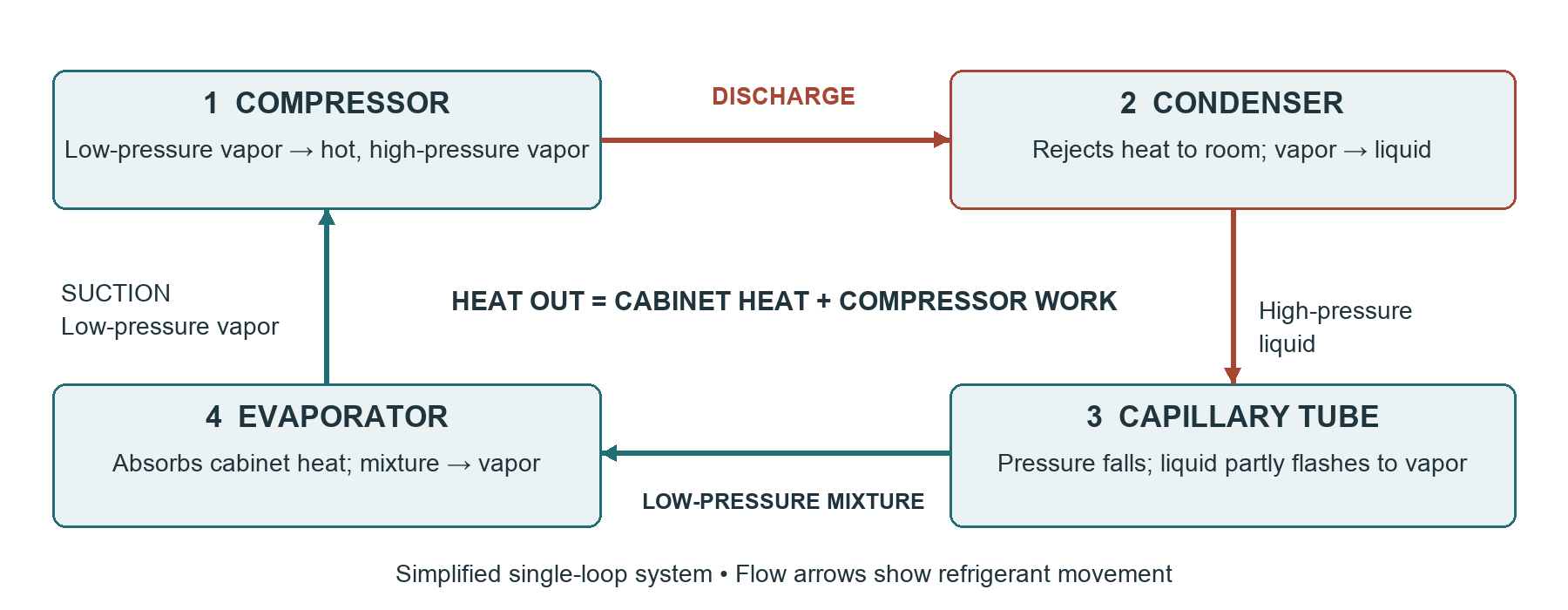
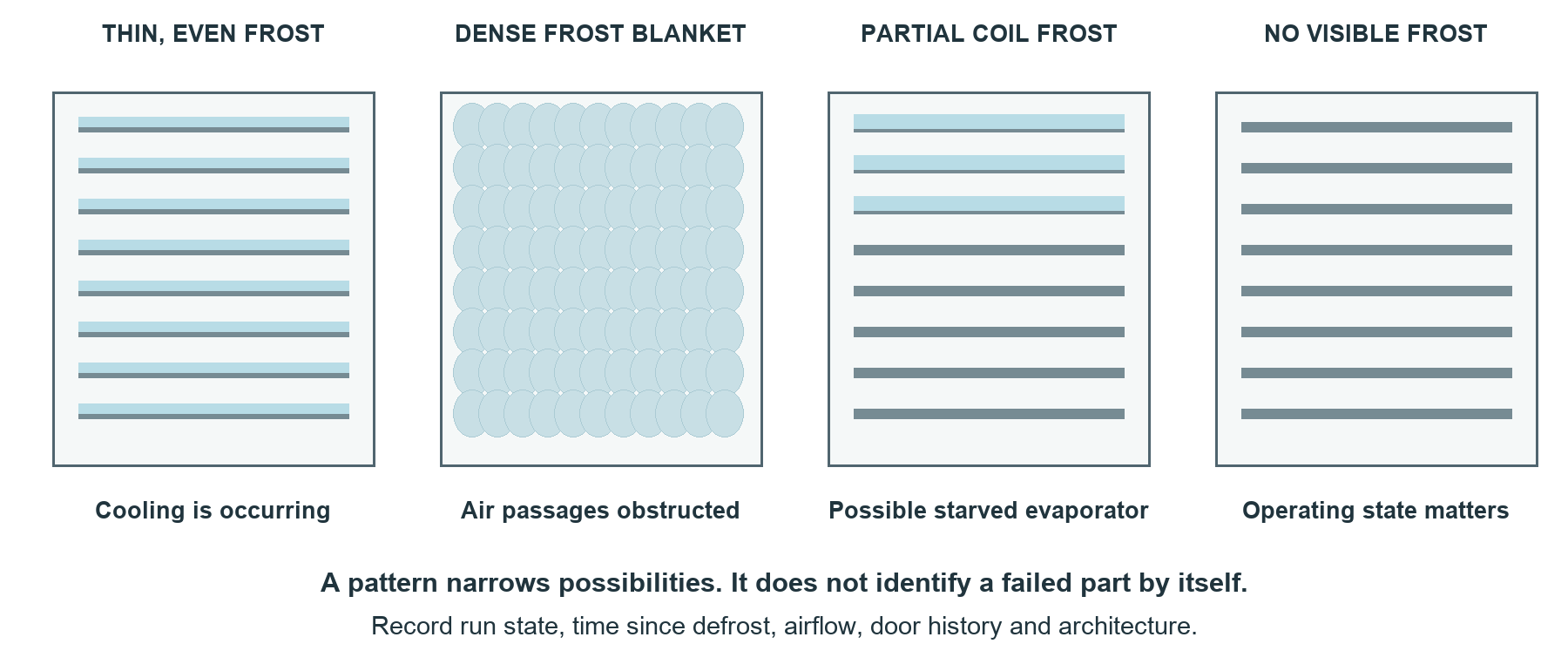
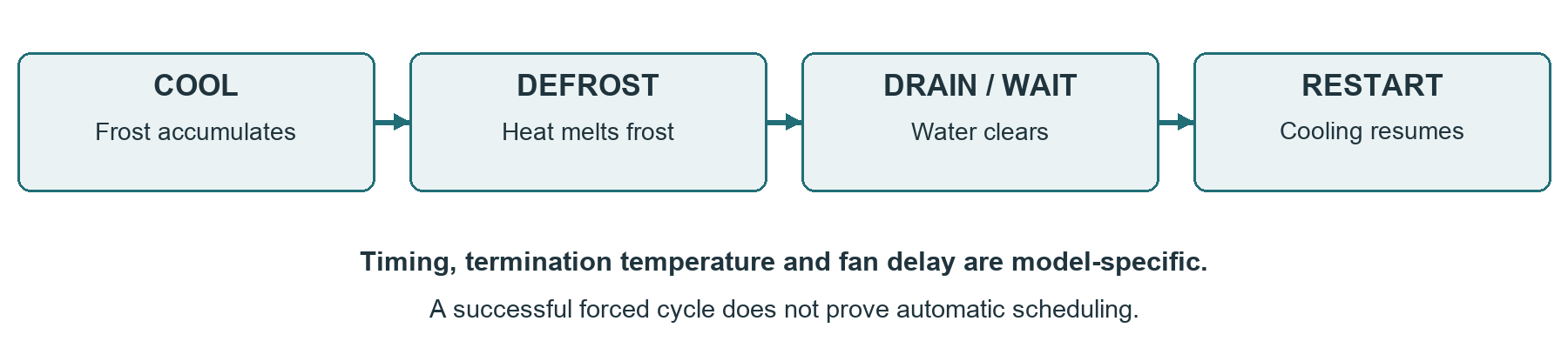
Not cooling, frost-up, warm fresh-food, noisy fans, ice and water complaints. Each one mapped to the systems involved and what to verify next: airflow, defrost, controls or sealed system.
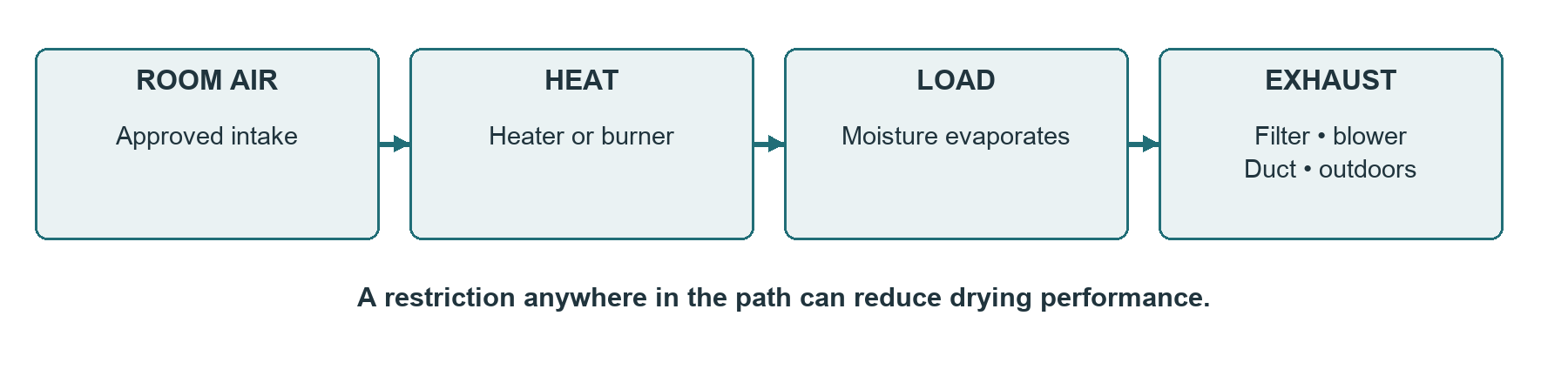
Won’t fill, won’t drain, won’t spin, no heat, long dry times, noise and leaks. Includes the vent and airflow checks that close most dryer calls.
Follow the cycle: start, fill, circulation, drain, heat and dry. Where each complaint usually starts, and the test that separates the likely causes.
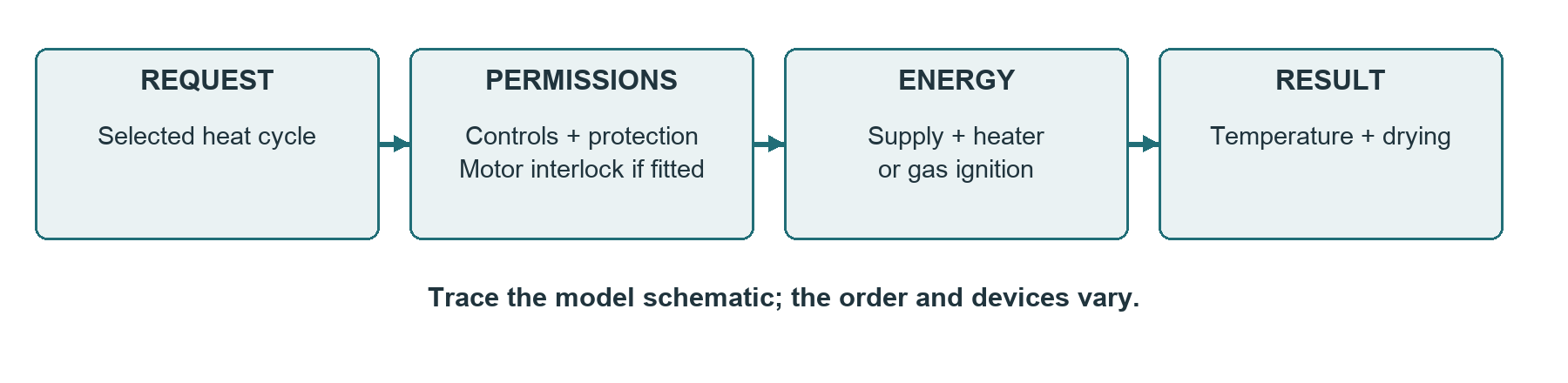
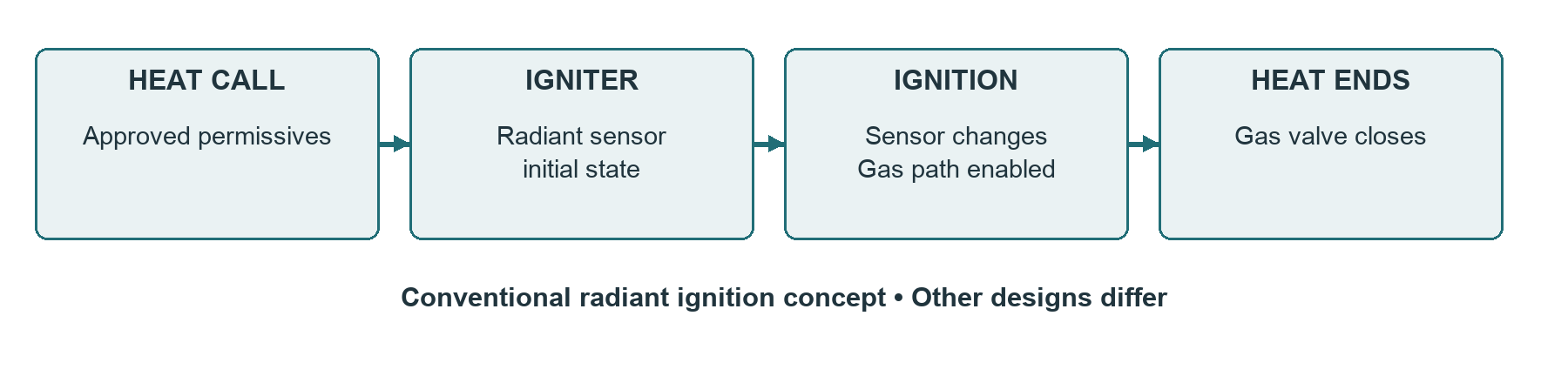
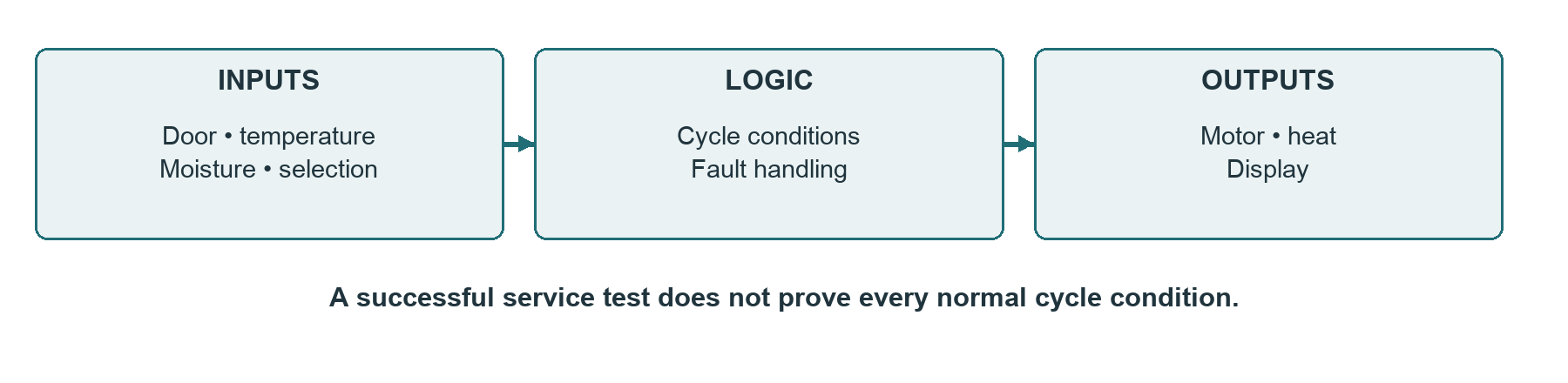
Electric, gas and induction. Bake and broil complaints, the hot surface igniter safety circuit, temperature accuracy and self-clean faults.
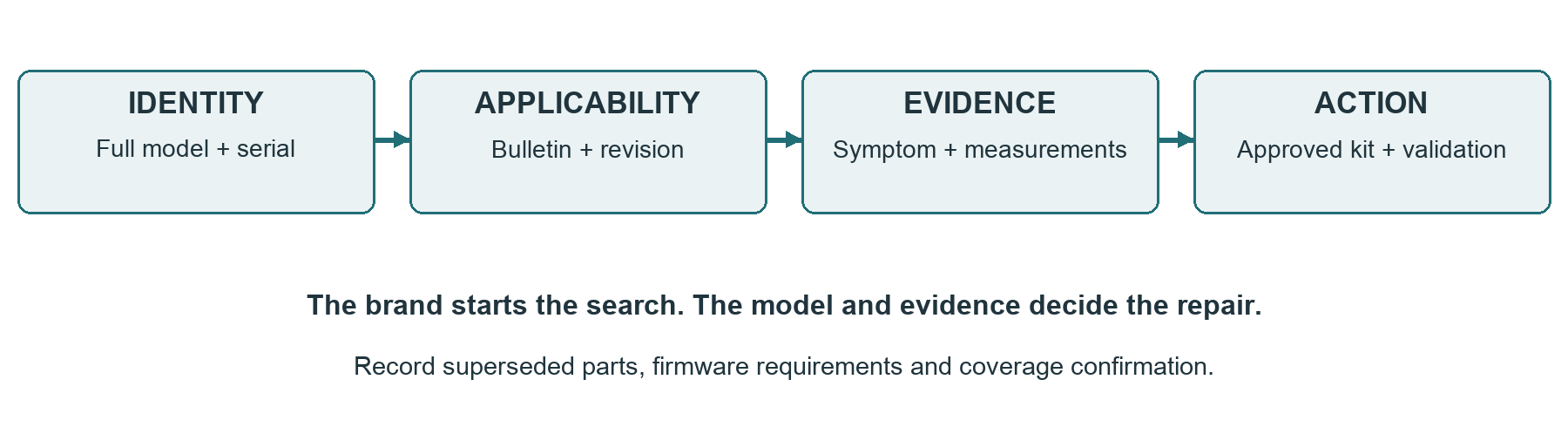
The field patterns worth knowing before you arrive: Samsung evaporator drain ice-up, the LG linear compressor history, the Whirlpool diverter motor, the VMW shifter actuator and more.
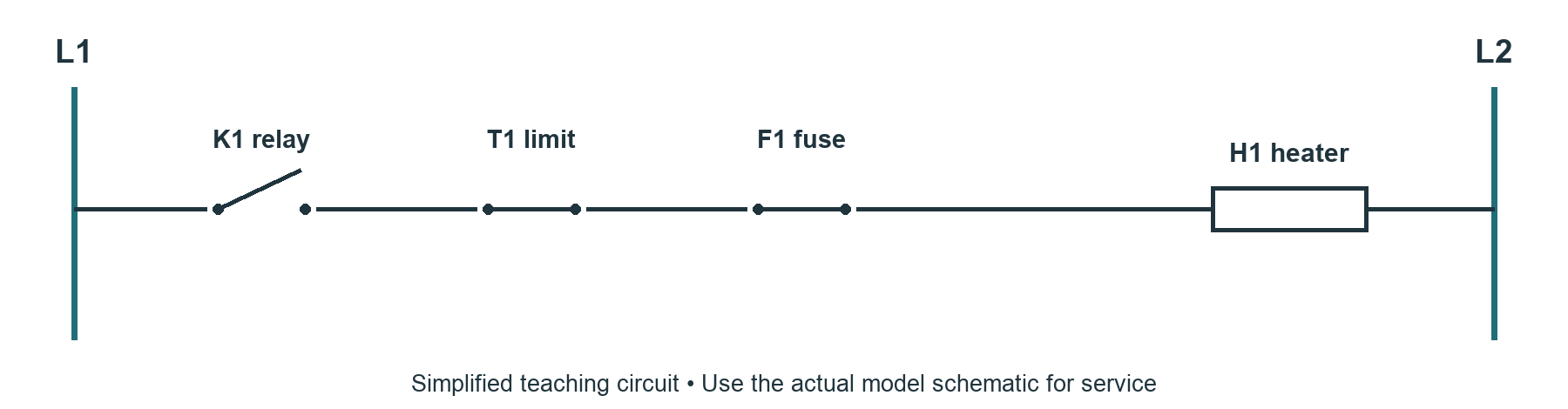
The kit is drawn from the same material as our AR-101 course, including original teaching diagrams like these.


Focused references for the parts of the job that most often go wrong: measurements, paperwork, the customer conversation, callbacks and safety.
AC and DC voltage, ohms, continuity, phantom voltage and quick Ohm’s Law math, so a reading means what you think it means.
Intake and test plan, evidence and closeout. Make your reasoning visible on every call and every invoice.
A plain-language framework for the conversation that decides whether a call becomes a repeat customer.
What to confirm before you close the call, so the same complaint doesn’t come back three weeks later.
Gas, electrical, stored-energy and refrigerant conditions that mean stop, isolate or refer.

Work through the method, use the volumes on a few calls. If the Field Diagnostic Kit isn’t right for you, contact us within 7 days of purchase and we’ll refund you.
Technicians and apprentices who already work on appliances, or are learning to, and want a structured reference for moving from complaint to cause. It isn’t a DIY repair manual for homeowners.
Washers, dryers, refrigerators and freezers, dishwashers, and ranges, ovens and cooktops (electric, gas and induction).
No. Codes and specifications change by model and revision, so the kit teaches you how to use a code as evidence and what to confirm next. Always use the manufacturer’s service information for the exact model.
Yes. That’s what it’s for. It works on a phone or tablet, and the worksheets and cards are made to print.
Right after checkout you get instant digital access by email.
The kit is the condensed reference. AR-101 teaches the reasoning behind it in depth, with worked cases, assessments, EPA 608 exam prep and apprentice track eligibility. Three AR-101 modules are free.
No. The kit doesn’t replace manufacturer service information, required qualifications, electrical or gas safety procedures, applicable codes, PPE or professional judgment.
Foundations, Refrigerators and Dryers from AR-101. About 24 hours of material, free with your email.
Get the free modules →All eight modules, about 68 hours, with assessments, EPA 608 exam prep and apprentice track eligibility.
See the curriculum →